
By any measure, 2025 was a tough year in the grand project to extend fast, affordable, reliable broadband access to every home in the United States. The Digital Equity Act was abruptly cancelled, BEAD was restructured, small- and large-scale outages were common, and prices from the monopolies rose yet again.
But good things happened, too. In 2025, we saw seven new municipal broadband networks across the country that were lit up for service. As is usual, it was a mixture of partnerships, business models, and construction approaches to meet the unique challenges of a patchwork broadband landscape.
A Bountiful 2025 for Municipal Broadband
In California, the Gateway Cities Fiber Optic Network launched (eventually covering 23 cities); it will eventually cover 72 community anchor institutions and almost 5,000 unserved locations across member cities with the help of state grants.
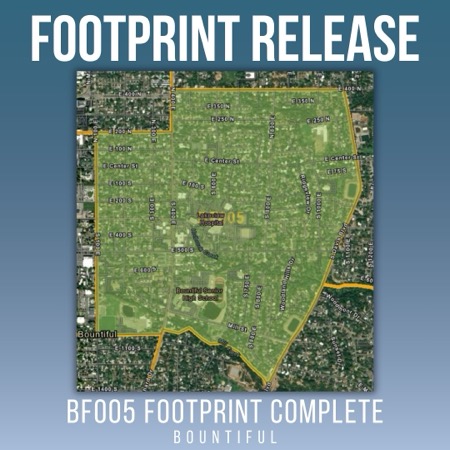
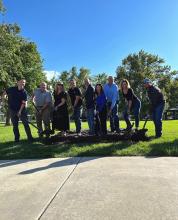
Likewise, Fort Bragg bought local ISP Mendocino Community Network to jump start its plans for a citywide fiber build for the city of 7,000. In nearby Bountiful, Utah, the city overcame an astroturf misinformation campaign and finished construction a full year ahead of schedule, and contracted with UTOPIA Fiber to operate the network.
The rest of the activity in municipal broadband happened on the east coast. Portsmouth, Virginia began building a middle-mile/institutional network aimed at cutting costs for local governmental operations which will eventually save $500k/year. The first three sites went live in October, and by now there should be 10 receiving service.
Bergen County, New Jersey embarked on the same journey, with its institutional network live by the end of September for 26 borough halls and libraries, the Bergen County Utilities Authority, and Northwest Bergen County Utilities Authority. More sites to follow.
Maine rounds out our list, with a residential fiber network live in the small community of Isle Au Haut – with private partner Axiom to operate at the end of what has been a journey that started all the way back in 2016. Vienna Broadband also came online with the help of a $2.2M state grant and the same partner.
This is especially heartening, given that monopoly provider Consolidated Communications spent the year – according to local press – dragging its feet on providing access to the poles it owns at the same time it embarked on a campaign to lock residents into contracts for temporary lower prices. It is sure to be a welcome sight to locals, who spent years asking Consolidated (to no avail) to extend and upgrade its aging infrastructure in the region. Now, locals can get symmetrical 100Mbps, 250Mbps, and 500Mbps service for $60-110/month and know that, in addition to their money staying local, that when they call their customer service they’ll be talking to one of their neighbors.
Honorable mention to cities like Willmar, Minnesota – which did a monumental amount of preparatory work in 2025 and will start building its open access retail network later this year.
And, in Carson, California – a part of the South Bay Fiber Network since 2016 – the city is looking ahead to major upcoming sporting events and has been building a the first part of its citywide fiber network for the last four months.
Hats off to these cities that took their telecommunications future into their hands in 2025. No longer bound by the extractive machines of the big monopolies and their shareholders thousands of miles removed, all will benefit from the compounding effect of keeping local dollars local.
Early Outlook for 2026
That same strong energy is set to carry into 2026.
Both California and New York have significant grant programs aimed specifically at municipal networks. Vermont’s Communications Union Districts and Washington’s Public Utility Districts have been building at full pace, and we expect to see networks from Utah to Tennessee, and Minnesota to Texas fill in the gaps and address longstanding market failures.
We’ve got a long list of prospective networks that are on the verge of construction, and we look forward to reporting out the progress they make over the next 12 months.
Subscribe to our once-weekly newsletter to catch all the updates on municipal broadband – as well as policy commentary, podcast deep-dives, and more.
Did we miss a municipally owned network that came online in 2025? We want to know! Email Ry Marcattilio ry@ilsr.org with any additions.
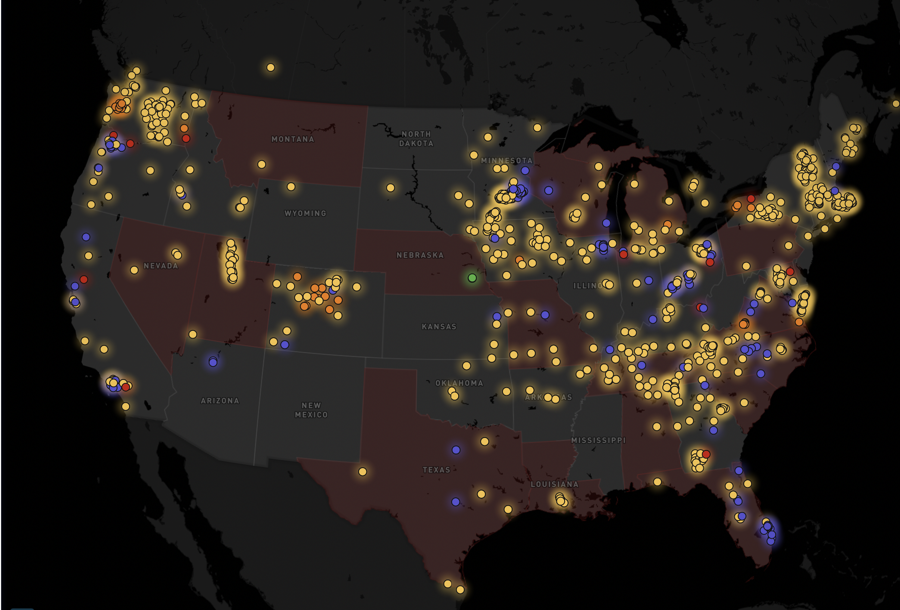
Explore our interactive Community Networks map that shows where each municipal broadband network in the nation is currently operating here.
Header image of Bountiful Fiber Groundbreaking Ceremony courtesy of Bountiful Fiber Facebook page
Inline map of Bountiful Fiber service area courtesy of Bountiful Fiber website
Inline image of Willmar water tower courtesy of Willmar Connect website