
Close to a 1,000 broadband-minded registrants attended yesterday’s listening session on how to spend an estimated $21 billion in “non-deployment” funds states should have at their disposal from the federal BEAD (Broadband Equity, Access and Deployment) program.
Hosted by the National Telecommunication and Information Administration (NTIA), the Commerce Department agency administering the program, the online listening session featured about 50 selected speakers. Most of those who spoke advocated using the money to tackle the array of non-infrastructure barriers to expand broadband (affordability, device distribution, and digital skills programs) – made all the more urgent in light of the Trump administration’s sudden “termination” of the Digital Equity Act last year.
Though it runs counter to the bipartisan infrastructure law that established the program, a handful of speakers actually suggested the funds simply be returned to the U.S. Treasury, presumably to “save taxpayer dollars.”
One speaker even tried to make the case that money Congress explicitly intended to address the nation’s massive digital divide should instead be given to Air Traffic Controllers.
The entire exercise was precipitated by the Trump administration’s unilateral changes to a program GOP leaders ridiculed for taking too long under the Biden administration, only for the Trump administration to add new delays after last summer’s BEAD Restructuring Policy Notice was issued. NTIA officials refer to the BEAD changes as the “Benefit of the Bargain,” while the Government Accountability Office recently found them to be unlawful.
Although a number of State Attorney General’s offices are prepared to sue the NTIA should their state be denied non-deployment funds – with many legal experts opining that the state AG’s would likely prevail in court – the focus of yesterday’s listening session largely side-stepped what the law actually says.
Perhaps the best news in the wake of the listening session was articulated by Drew Garner of the Benton Institute for Broadband and Society, who noted the testimony that Treasury Secretary Howard Lutnick provided the day before during a Senate appropriations committee hearing.
“The money will be spent according to the statute, of course," Lutnick testified.
When pressed by Sen. Jerry Moran (R-KS) on whether the non-deployment funds would be returned to the Treasury, Lutnick said:
"That is not the plan…We will hew to the law for sure."
Lutnick went on to testify that yesterday’s listening session was to get the “best ideas” from stakeholders on how the funds should be spent, to which Sen. Deb Fischer (R-NE) noted that Congress had already decided that question when lawmakers passed the infrastructure law: individual states should determine the best use of those funds.

Though not directly related to the question of BEAD non-deployment funds, Lutnick also sought to clarify that the NTIA would not approve Starlink’s rider request to be exempted from the program’s capacity and performance requirements.
Lutnick’s testimony was in keeping with new FAQ guidance released earlier this month that indicated Starlink’s proposed modifications to BEAD agreements would not be allowed.
As for NTIA’s final guidance on the use of non-deployment funds, it’s another episode of hurry up and wait. Given how many advocates attended yesterday’s listening session, NTIA officials agreed to hold yet another listening session next Wednesday, February 18, extending a federal approval process that a year ago Lutnick said was being revamped to “work with states and territories to quickly get rid of the delays.”
Registration to attend that session is available here.
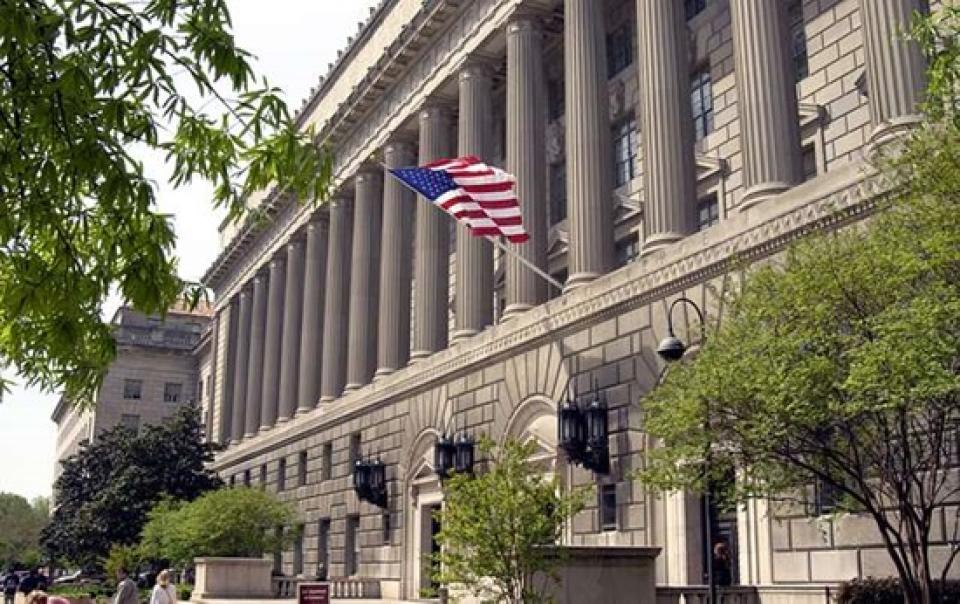
Inline image of the United States Department of Commerce Herbert C. Hoover Building in Washington, D.C. courtesy of Flickr user Ken Lund, Attribution-ShareAlike 2.0 Generic (CC BY-SA 2.0)
Inline image of Commerce Secretary Howard Lutnick testifying before Congress courtesy of Broadband Breakfast