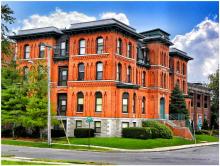

Wave of Wireless Connectivity Crests in Enfield, North Carolina
Historically, Enfield was known for its tobacco and peanuts. Today, there’s a new wave cresting in this small rural community in eastern North Carolina.
Nichols, New York (pop. 2,300) is the latest U.S. community to embrace open access, community-run fiber as an alternative to monopoly power. The upstate New York town, saddled among rolling green hills close to the Pennsylvania border, hopes the new initiative will boost broadband availability and lower costs.
In 2020, New York City officials unveiled a massive new broadband proposal they promised would dramatically reshape affordable broadband access in the city.
Instead, the program has been steadily and quietly dismantled, replaced by a variety of costly half-measures that critics say don’t solve the actual, underlying cause of expensive, substandard broadband.
Joined by an array of leading broadband experts, infrastructure investment fund managers, institutional investors, private equity, and venture capitalists will gather in the nation’s capital next week for a day-long in-person conference to discuss and explore the digital infrastructure and investment asset profile required to support a 21st century information economy.
Subscribers to FairlawnGig – Fairlawn, Ohio’s municipal broadband network – are being upgraded to new service levels as the city-owned network bumps up speeds and slashes prices to make its fiber Internet service faster, and even more affordable. Earlier this week, FairlawnGig announced that subscribers who had been getting Fairlawn’s basic service tier of symmetrical 300 Megabits per second (Mbps) were being upgraded to symmetrical gig speed service – for the exact same price of $55/month.
In the year since Gigi Sohn has been nominated to fill the fifth and final seat on the Federal Communication Commission (FCC), we have been perplexed as to why Gigi hasn't been confirmed yet, as you can see here and
In northeast Ohio, 15 miles north of Akron, the City of Hudson looks to modernize its telecommunications infrastructure through a public-private partnership that would expand the city-owned municipal fiber network, which now only serves part of the city, to reach all 22,000 residents who call Hudson home. The city wants every resident and business to have access to gig fiber service for the same afforable rate now being offered by its geographically-limited Velocity Broadband network. Proposals from prospective Internet service providers are due by Dec. 2.
When last we checked in with Glenwood Springs, Colorado, the city council had voted 6-1 to replace and expand the reach of its existing, municipally-owned fiber system.
Lehi City, Utah has broken ground on its new citywide fiber optic broadband network. The network, which city leaders say should take somewhere around three years to complete, will be built on the back of Lehi’s Utilities Department, part of a growing trend of U.S. utilities using an historic infusion of federal funding to expand affordable broadband connectivity. The Lehi Fiber Network will operate as an open access network, meaning that multiple ISPs will be able to utilize the city’s new infrastructure, providing a much-needed dose of broadband competition to local residents and businesses alike. Five ISPs have already committed to providing service over the city-owned fiber.